GRE: VERBAL REASONING SECTION TIPS
Publicado en 19 de julio de 2025
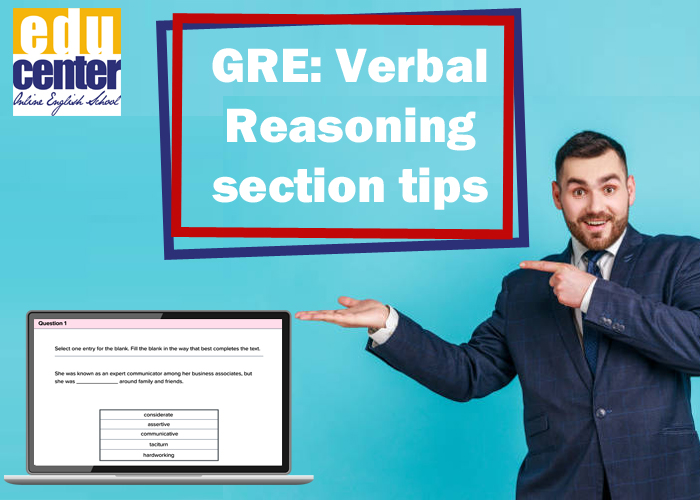
To excel in the GRE Verbal Reasoning section, focus on building a strong vocabulary, honing your reading comprehension skills, and mastering time management. Practice with official GRE materials, analyze your mistakes, and develop effective strategies for each question type.
Key Strategies for GRE Verbal Reasoning:
1. Vocabulary Mastery:
Build a strong vocabulary:
Use flashcards, word lists, and contextual learning to expand your word knowledge.
Understand nuances:
Pay attention to the subtle differences in word meanings and connotations, especially in Sentence Equivalence and Text Completion questions.
2. Reading Comprehension:
Active reading:
Engage with the text, identify main ideas, and track the author's purpose and tone.
Practice different question types:
Work on inference, main idea, and other question types to develop your comprehension skills.
3. Time Management:
Pace yourself: Allocate time for each question type and stick to your schedule.
Don't dwell on difficult questions: If you're struggling with a question, mark it and move on to avoid running out of time.
4. Strategic Approach:
Understand question types:
Familiarize yourself with the different types of questions in the GRE Verbal section.
Use process of elimination:
Eliminate incorrect answer choices to increase your chances of selecting the right answer.
Practice with official materials:
Use ETS's official GRE practice tests and questions to get familiar with the test format and difficulty level.
5. Analyzing and Learning from Mistakes:
Identify weaknesses:
Take practice tests and analyze your performance to identify areas where you need improvement.
Review and learn:
Understand why you missed questions and focus on strengthening those areas.
6. Consistent Practice:
Regular practice: Dedicate time for regular practice to reinforce your skills and strategies.
Simulate test conditions: Practice under timed conditions to build stamina and improve your focus.